How to prepare a proposal

How to prepare a proposal
The idea
The very first step is the idea of the research. Sometimes it comes quickly, sometimes not. For sure, reading papers is very helpful. I never assume my idea is completely new and no one has ever done anything similar so far.
Thus, before you start working on your proposal, read as many papers as possible to make sure what has been done so far in your research area and what is missing. Many authors include some hints like „future perspectives” in their papers either in the ‘Discussion’ or in the ‘Conclusions’ sections. It does not mean that they plan to do it by themselves. Instead, you can use their hint as a starting point for your idea.
Exploration
First, think about what is your goal and then apply proper methods. If you want to involve a new (unknown) technique in your research, get some knowledge about it or, even better, talk to someone experienced in this area. Make sure you do not plan to do anything in which you have just little or no experience.
Performing a preliminary research would be the best solution in this case. However, we need money for that, which…we do not have. However, for your own good, if there is even a tiny chance for that, you’d better do it.
Therefore, think twice about what you want to do and whether you can do it. Consider every detail when planning your research. This can be crucial for your future research.
Confrontation
You already have you idea. Great! Now it is time to discuss it with someone else. Do not be afraid to talk about your idea with other people. It is good to confront your ideas with someone more experienced than you are. This may help you to correct any mistakes in your proposal and, in turn, increase the chance to get the financing.
If there is someone who can help you, invite them to your project. Compatible and skilled team is basic for the success of your research!
Getting financing for your research is a great feeling, but the hardest is yet to come 😉 The more you do before sending the proposal, the more stress you will avoid after getting financing.
Time
Time is a key factor. You need time to explore your research idea. You need time to prepare a good proposal, too. If you want your proposal to have a chance to get financing, spend more time on its preparation.

I can tell you from my own experience that the preparation of a proposal is the nicest and the most creative time of your work. You decide what you want to do and only sky is the limit!

The idea
The very first step is the idea of the research. Sometimes it comes quickly, sometimes not. For sure, reading papers is very helpful. I never assume my idea is completely new and no one has ever done anything similar so far.
Thus, before you start working on your proposal, read as many papers as possible to make sure what has been done so far in your research area and what is missing. Many authors include some hints like „future perspectives” in their papers either in the ‘Discussion’ or in the ‘Conclusions’ sections. It does not mean that they plan to do it by themselves. Instead, you can use their hint as a starting point for your idea.
Exploration
First, think about what is your goal and then apply proper methods. If you want to involve a new (unknown) technique in your research, get some knowledge about it or, even better, talk to someone experienced in this area. Make sure you do not plan to do anything in which you have just little or no experience.
Performing a preliminary research would be the best solution in this case. However, we need money for that, which…we do not have. However, for your own good, if there is even a tiny chance for that, you’d better do it.
Therefore, think twice about what you want to do and whether you can do it. Consider every detail when planning your research. This can be crucial for your future research.
Confrontation
You already have you idea. Great! Now it is time to discuss it with someone else. Do not be afraid to talk about your idea with other people. It is good to confront your ideas with someone more experienced than you are. This may help you to correct any mistakes in your proposal and, in turn, increase the chance to get the financing.
If there is someone who can help you, invite them to your project. Compatible and skilled team is basic for the success of your research!
Getting financing for your research is a great feeling, but the hardest is yet to come 😉 The more you do before sending the proposal, the more stress you will avoid after getting financing.
Time
Time is a key factor. You need time to explore your research idea. You need time to prepare a good proposal, too. If you want your proposal to have a chance to get financing, spend more time on its preparation.

I can tell you from my own experience that the preparation of a proposal is the nicest and the most creative time of your work. You decide what you want to do and only sky is the limit!

The most common mistakes
In my opinion, the most common mistake is chaos. There is a lot of information, often too much, but the whole description lacks logical and clear flow. Also, often the most important issues are insufficiently justified, instead lots of attention is devoted to these minor ones.

How can you fix it and what should you avoid to create a good proposal?

1

Follow exactly the instructions of each section.

2

Try not to overload your proposal with too many redundant information. Sometimes less is more.

3

Be consistent. For example, full description of the proposal should be the exact resemblance of the short one. Don’t create a new story in the next part of your proposal.

4

Be reviewer-friendly! Use simple language. Consider that your proposal may be evaluated by reviewers outside your research area.

5

Keep your proposal clear and logical. Justify each task sufficiently so that the reviewer wouldn’t have to guess what you mean.

6

Be honest. Demonstrate your point of view clearly. One can agree or not, but at least you will be understood.

7

If you are not fluent in English, consider sending your proposal for editing and language correction.

8

Last, but not least: as mentioned above, follow the rules, even the minor ones. Respecting rules is always fair and classy.
If your proposal has been rejected, it is not yet the end of the world! Correct it and send it again! This is how it works for most of us. However, many people give up quickly because they cannot accept criticism. I know that the first feelings after getting a critical review can be painful. However, the reviewers do not criticize you because they are getting pleasure of it. Maybe the reviewer is right? Maybe their suggestions can help you to improve your research? Think about it and be open. Emotions are not a good friend at all. Therefore, stay cool and give your proposal another chance. 😊

About me

About me

My name is Lidia Trocha. I graduated in biotechnology at the Adam Mickiewicz University in Poznań in 2003 and got my Ph.D. in biology at the Institute of Dendrology in Kórnik in 2009.

I was born and raised in the countryside. When I was 6 my family moved out to a town, but I missed ‘my village’ and used to visit it any time I only could. That was the time, I suppose, when I decided I would work with nature.

Even though my major was biotechnology, I was keen on the environmental biology. At the time I tried to explore diverse fields to see what I really liked. In the end, I returned to ‘my roots’ and chose mycorrhizal symbiosis for my doctoral research.

Within 15 years of my professional career I have worked in both Polish and foreign scientific institutions. Thanks to this, I have gained great professional experience including research skills as well as team managing.
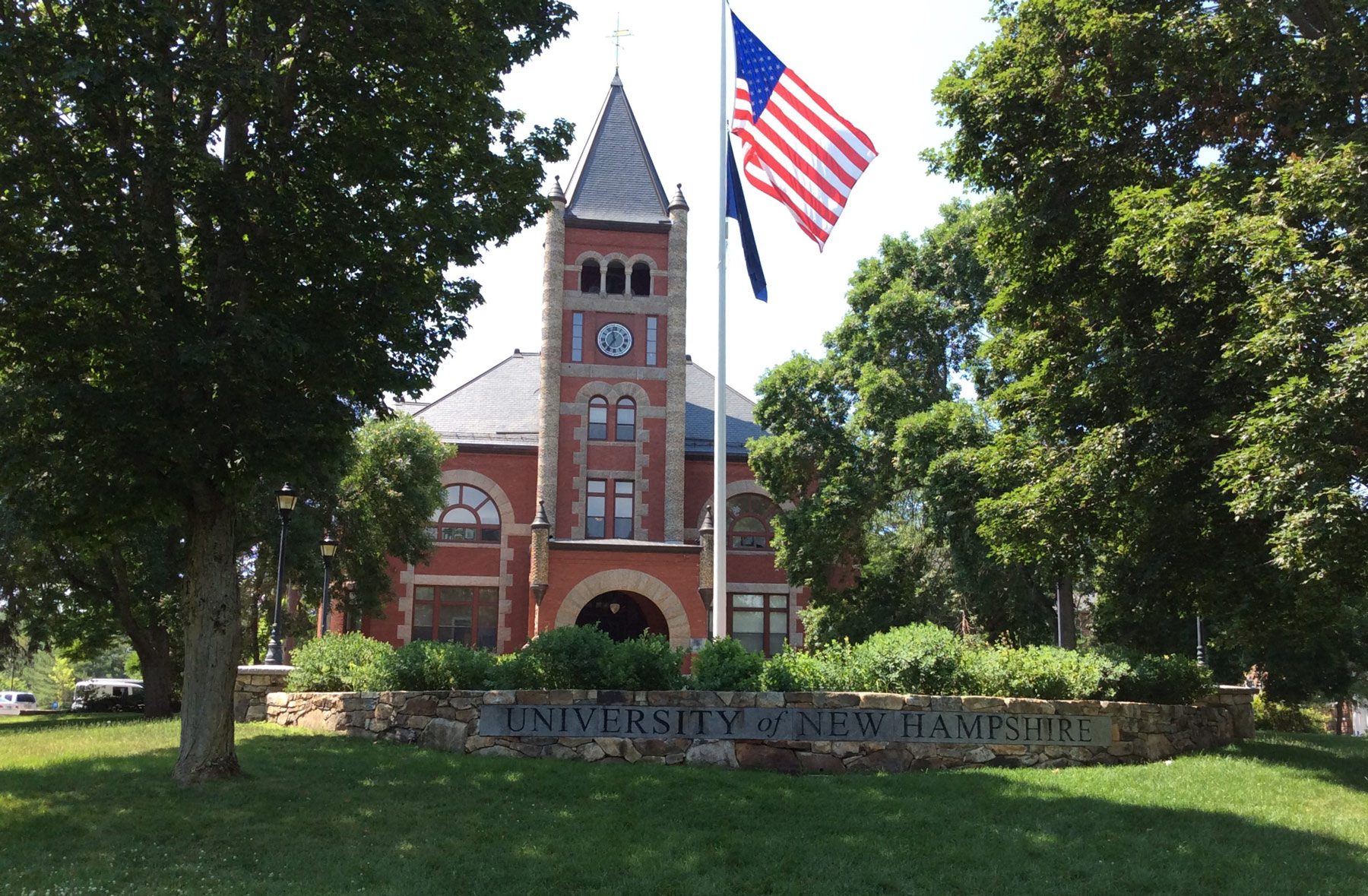
When I came back home for good, I continued research I had started at the PennState University in State College. This was my first project I got financed within Sonata call . Working at the PSU has also inspired me for another research carrying out together with scientists from the University of New Hampshire (Durham, USA) within our mutual project Sonata Bis
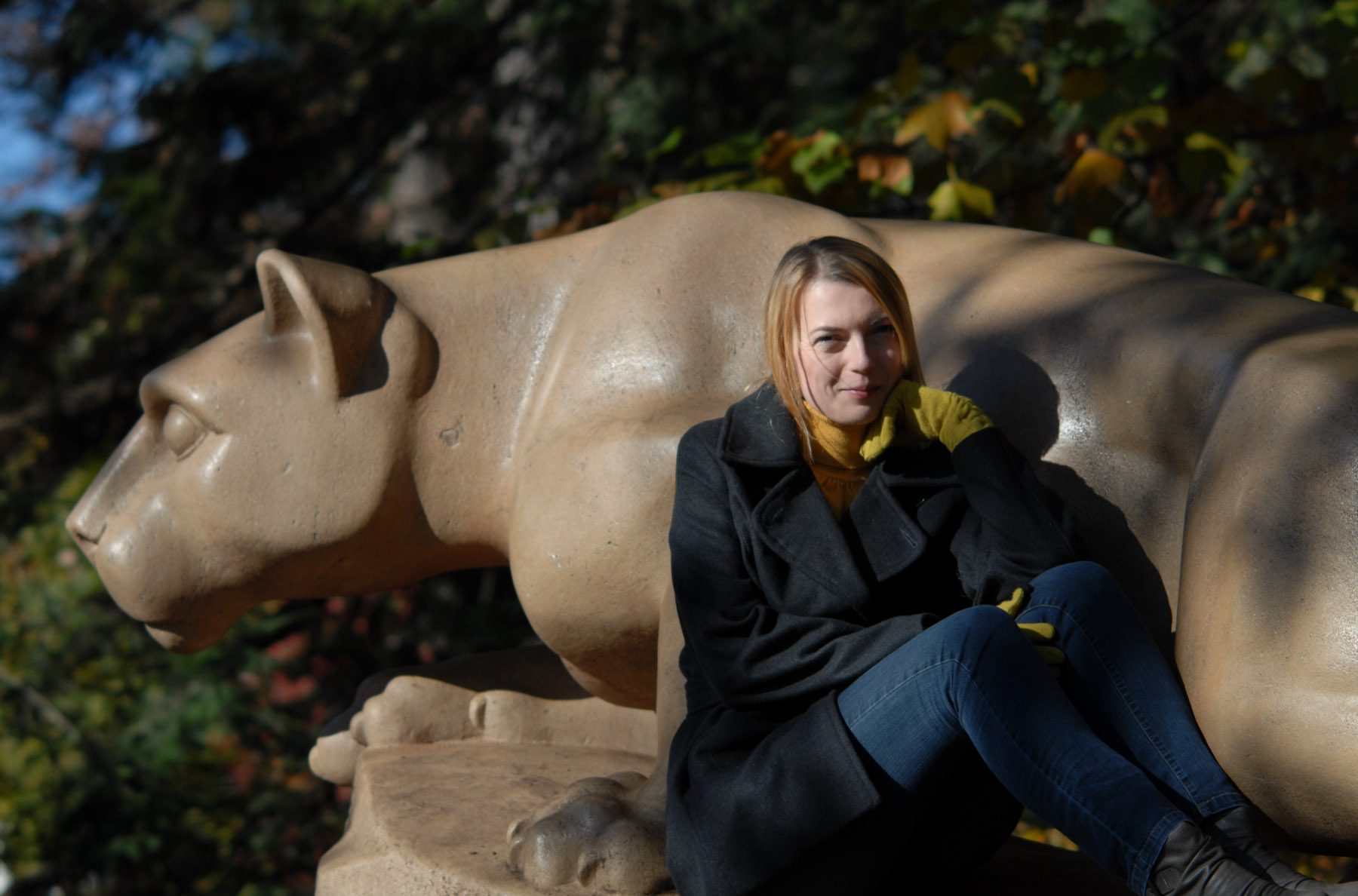
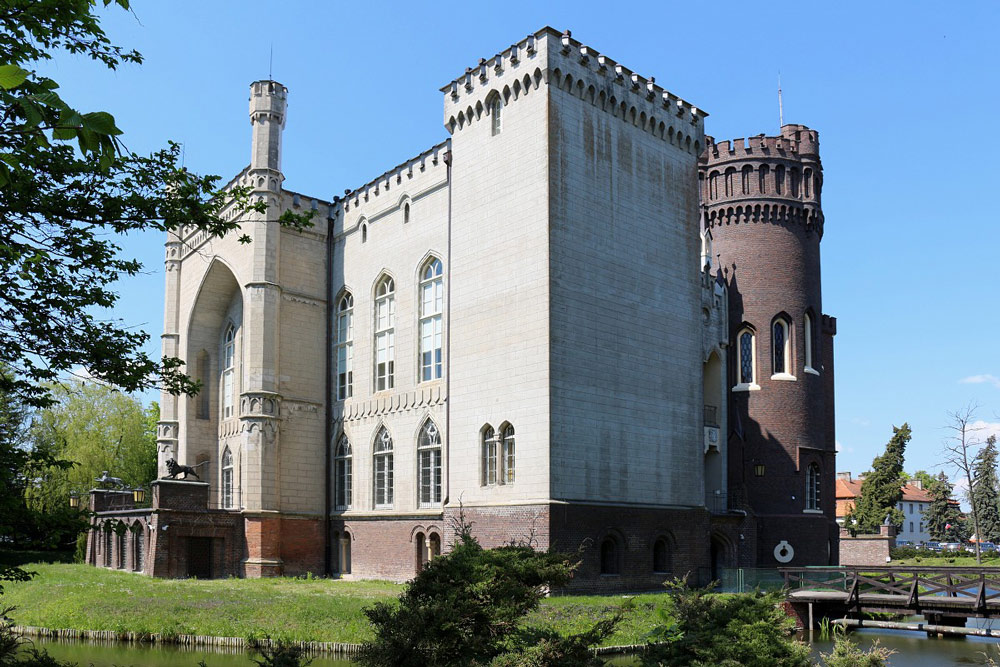
Pennsylvania State University (State College, USA)
University of New Hampshire (Durham, USA)
From 2012 to 2020 I evaluated ca. 80 proposals when working as an expert of Life Sciences panels for National Science Centre in Poland.

At the time I also reviewed over 30 manuscripts for international scientific journals including: Canadian Journal of Forest Research, Environmental and Experimental Botany, Journal of Experimental Botany, FEMS Microbiology Ecology, Forest Ecology and Management, Functional Ecology, Microbial Ecology, and New Phytologist.

proposals when working as an expert of Life Sciences panels for National Science Centre in Poland

manuscripts for international scientific journals

My offer&Pricing
My offer&Pricing
I have noticed that many researchers, especially these at the beginning of their careers, cope with insufficient support while preparing their proposals or manuscripts. Some of us have no possibility to get the preliminary review of our text before its submission.

Thus, I offer a professional editing and evaluation of your proposal.

I guarantee an honest, reliable, and confidential review of your proposal. I will edit each proposal individually devoting as much time as required.

Contact me if you are working on your new or resubmitted proposal and we will talk about the possibility to improve it.

Pricing

Fees are charged based on the amount of editing required. Since all proposals are different, I never charge a single flat rate. I independently evaluate each proposal and you are charged a fee for the level of editing required.

Please contact me for a free estimate: lktrocha@gmail.com.